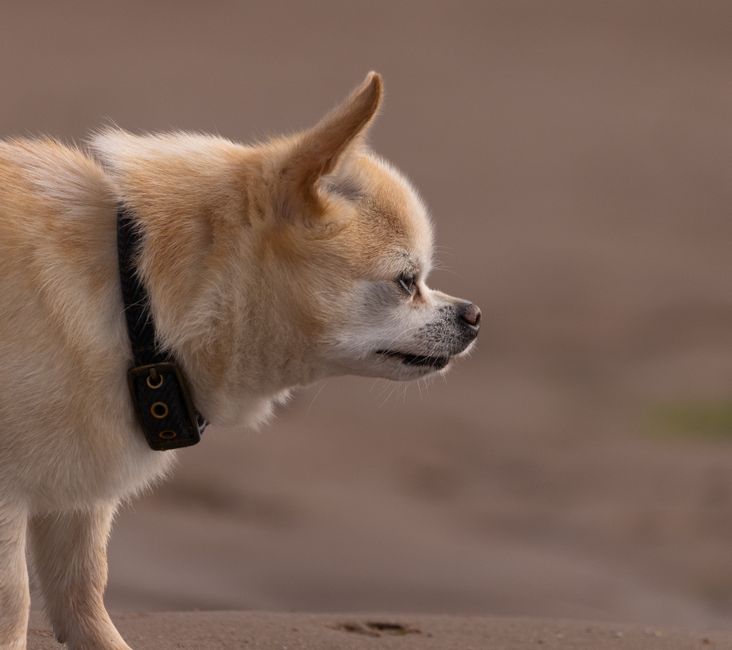

Using a Vibration Collar to Stop Leash Pulling Gently
Leash pulling remains one of the most common behavioral complaints among dog owners. The constant tension, choking, and frustration can turn a simple walk into a battle of wills. While traditional tools like prong collars, choke chains, and even head halters have their proponents, a modern, more humane alternative is gaining traction: the vibration collar. When used correctly, a vibration collar can interrupt pulling behavior without causing pain, fear, or stress, relying instead on tactile redirection. This article explores the science, methodology, and best practices for using a vibration collar to stop leash pulling gently and effectively.
Understanding the Vibration Collar: Not a Shock Collar
A critical distinction must be made immediately. Vibration collars are often confused with electronic shock (e-collar) or static stimulation collars. Unlike e-collars, which deliver a mild electric pulse, vibration collars emit a buzzing or pulsing sensation—similar to a cell phone on vibrate mode. The sensation is neutral, not painful. For most dogs, it feels like a gentle tap or a sudden, unfamiliar texture against their neck. The goal is not to punish but to disrupt the pulling pattern long enough to redirect the dog’s focus back to the handler.
Why Leash Pulling Persists: Operant Conditioning
Dogs pull on leashes because it works. Pulling forward moves the dog closer to a stimulating object—a squirrel, a fire hydrant, another dog. This is a classic example of positive reinforcement: the behavior (pulling) leads to a reward (forward movement). Simultaneously, the owner often pulls back, creating a counter-pressure that some dogs find comforting or instinctively lean into. This is known as opposition reflex; the harder you pull, the harder the dog pulls back. A vibration collar breaks this cycle by introducing a novel, non-aversive stimulus that interrupts the pulling motion before the dog engages opposition reflex. The dog stops, feels the vibration, and looks back. At that exact moment, the handler can reward the slack leash.
Technical Specifications: Choosing the Right Collar
Not all vibration collars are created equal. For gentle, effective training, the device must offer adjustable vibration levels. A single, harsh vibration that scares the dog defeats the purpose of gentle training. Look for collars with at least three to five vibration intensities, allowing you to start at the lowest perceptible level. Battery life is also crucial; a collar that dies mid-walk cannot be relied upon for consistent training. Additionally, the remote should have a distinct button or pace for vibration, separate from any sound or static functions if present. Brands that prioritize quality, such as SportDOG, PetSafe, or E-Collar Technologies, often provide vibration-only models or vibration modes that are clearly distinguishable from shock.
Step-by-Step Conditioning: Pairing Vibration with Reward
Using a vibration collar to stop pulling requires a conditioning phase, not immediate use on a walk. Begin in a low-distraction environment like your living room. Fit the collar snugly on your dog’s neck, ensuring the contact points press firmly against the skin (for vibration to transmit effectively). Do not attach a leash yet. Press the vibration button for one second while simultaneously offering a high-value treat. Repeat this five to ten times. The dog will quickly learn that the buzz predicts a tasty reward. This creates a positive association with the sensation. Next, wait for the dog to offer a behavior—sitting, looking at you, or even just pausing. Press the vibration button. When the dog stops and looks at you (often curious about the buzz), reward immediately. This teaches the dog that the vibration is a cue to disengage from whatever they are doing and focus on you.
The Walk Protocol: Interrupting and Redirecting
Once conditioned, transition to controlled walks in a quiet area. Attach the leash to a flat collar or front-clip harness (not the vibration collar itself; the vibrating device sits separately). Walk calmly. The moment your dog’s front paws cross the leading edge of your leg, or the leash tightens, press and release the vibration button for one to two seconds. Do not hold the button. Do not yank the leash simultaneously. The vibration acts as a sensory interrupt. The dog will instinctively slow, turn its head, or stop. Immediately reward the slack leash with a treat and verbal praise (“Yes!”). Then proceed. Repeat this sequence every time tension appears.
Timing and Frequency: Less is More
One of the most common mistakes with vibration collars is overuse. If you vibrate the collar constantly, the dog will habituate to the sensation, rendering it meaningless. You want the vibration to be a unique marker of tension, not background noise. Use the vibration only at the precise moment the leash starts to tighten. If you miss that moment, wait for the next pull. Additionally, keep sessions short—ten to fifteen minutes maximum. Prolonged training leads to frustration for both dog and owner. As the dog begins to walk calmly for longer stretches, decrease the frequency of vibrations. The goal is eventual extinction of the pulling behavior, not lifelong dependence on the collar.
Gentle Alternatives Within Vibration Training
For particularly sensitive breeds—such as Poodles, Greyhounds, or anxious rescues—even a moderate vibration may be startling. In these cases, begin with the vibration collar on a setting so low it barely buzzes. Pair it with a verbal cue like “Easy” or “Focus.” Some trainers recommend placing the collar on your own wrist first to gauge the sensation. If the vibration feels abrupt to you, it will likely feel the same to your dog. Alternatively, use a vibrating collar that offers a tone-only mode first. Gradual desensitization ensures the dog never perceives the tool as a threat.
Common Pitfalls and How to Avoid Them
- Inconsistent Delivery: If you vibrate the collar only for hard pulls but ignore mild tension, the dog learns that moderate pulling is safe. Consistency is paramount. Every tightening of the leash should trigger the vibration, even if slight.
- Delayed Reward: The reward must follow the slack leash within half a second. If you wait five seconds to dig a treat out of your pocket, the dog will not associate the release of tension with reinforcement. Keep treats accessible in a pouch or treat-dispensing bag.
- Shocking Association: Never use a collar that combines vibration with a static shock option for strictly vibration-based pull training. Even a single accidental shock can create a negative emotional response to the vibration, ruining its gentle utility.
- Loose Fit: A vibration collar that is too loose will not transmit the sensation effectively. The collar should be snug enough that you can only fit one finger between the strap and your dog’s neck. A loose collar produces a weak, inconsistent buzz.
Behavioral Reinforcement Beyond the Collar
The vibration collar is a communication tool, not a magic cure. To stop leash pulling gently, you must simultaneously teach your dog an alternative behavior. The most effective is the “heel” or “watch me” cue. Every time you interrupt a pull with vibration and the dog looks back, reward. Then, ask for a few steps of attention-focused walking before releasing the dog to sniff or explore. This builds a partnership where the dog chooses to engage with you rather than drag you toward a distraction. Over several weeks, the vibration becomes a subtle reminder rather than a necessary interrupt, and eventually, you may phase it out entirely for most walks.
When to Seek Professional Guidance
If your dog is reactive to other dogs, people, or traffic, a vibration collar used incorrectly can exacerbate anxiety. The vibration might be misinterpreted as a warning stimulus paired with the trigger (e.g., a dog sees a stranger, feels a buzz, and associates the buzz with fear). In these cases, work with a positive reinforcement-based trainer who is experienced with vibration collars. They can help you calibrate timing and ensure the tool supports your dog’s emotional state, not undermines it. A well-trained handler can use vibration to keep a reactive dog under threshold, but it requires nuance that is difficult to learn from articles alone.
Ethical Considerations and Recall
Some critics argue that any collar-based stimulation is coercive. However, proponents of gentle vibration training emphasize that the sensation is less intrusive than a sharp leash correction, which can damage a dog’s trachea or neck. Moreover, vibration collars are often used as a stepping stone toward off-leash reliability. Once a dog understands that vibration means “stop and look at me,” that same cue can be used for emergency recall in unsafe situations. This dual purpose—stopping pulling and encouraging a check-in—makes the tool versatile and, when used kindly, a bridge to greater freedom for the dog.