
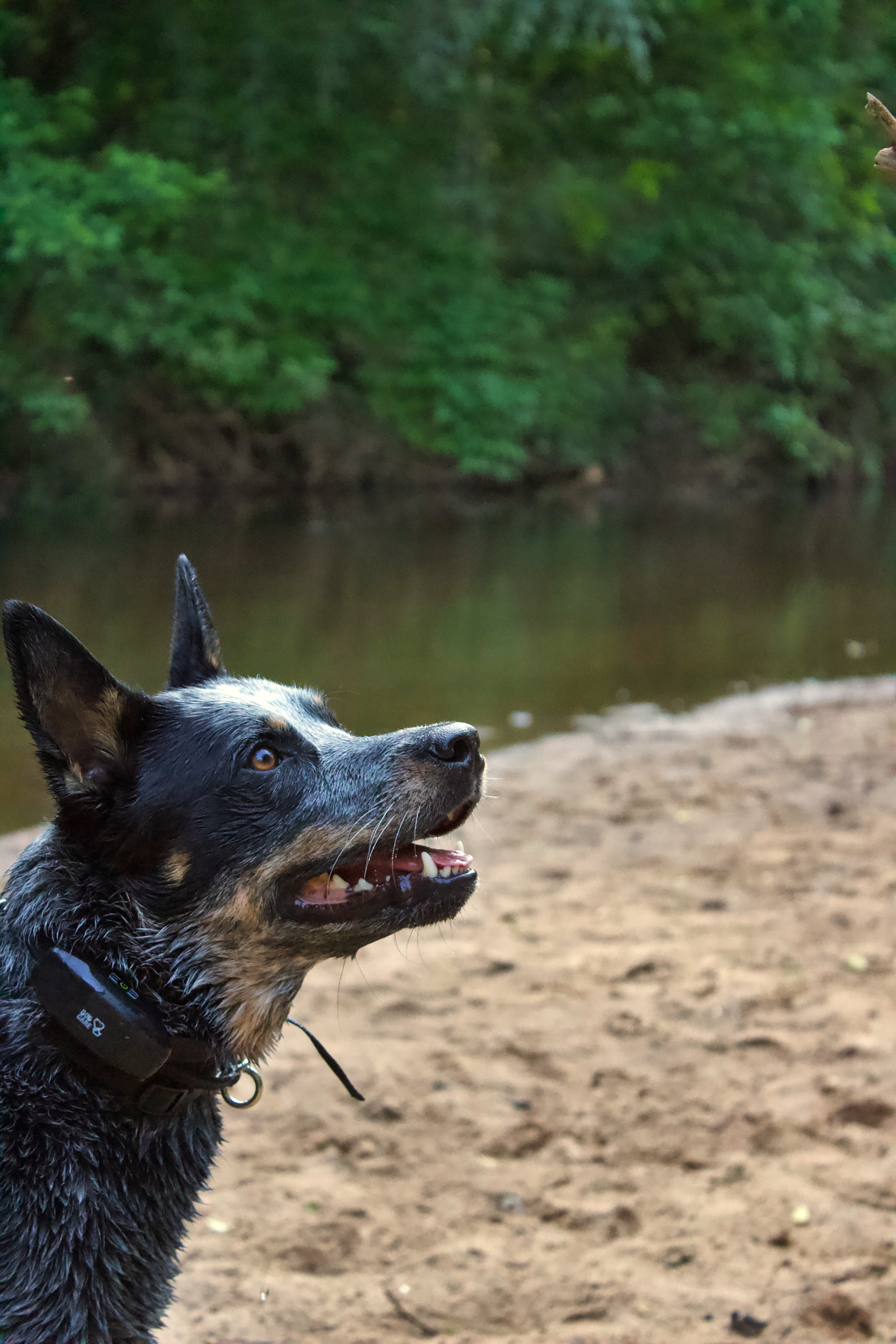
SmartCollar vs Microchipping: Key Differences Every Owner Should Know
For decades, the microchip has been the gold standard for pet identification. However, the rise of GPS-enabled SmartCollars has introduced a new layer of pet safety technology. While both tools aim to reunite lost pets with their owners, their core functions, costs, and limitations are profoundly different. Understanding these distinctions is critical for making an informed decision that balances safety, budget, and lifestyle.
1. Core Function: Identification vs. Real-Time Location
The most fundamental difference lies in what these technologies do. A microchip is a passive identification device. It is a tiny, biocompatible glass capsule the size of a grain of rice that contains a unique 15-digit code. It does not contain a battery, emit a signal, or actively track your pet. It only works when a special scanner passes over it, activating the chip to transmit the number to the scanner. That number must then be looked up in a registry database to find the owner’s contact information.
A SmartCollar, conversely, is an active, real-time tracking device. It uses cellular triangulation, Wi-Fi positioning, or GPS satellite signals to pinpoint your pet’s location on a map displayed on your smartphone. Some premium models add two-way audio, activity monitoring, and virtual boundary alerts (geofences). The SmartCollar does not rely on a stranger scanning it; you actively locate your pet from anywhere with cellular service.
2. Technology and Power Source
Microchips are inert. They have no power source and no moving parts. The chip is encapsulated in a material that bonds with the animal’s connective tissue, preventing migration in most cases. Its lifespan is effectively permanent, often lasting 15 to 25 years. Because it has no battery, it cannot fail due to dead power.
SmartCollars require a rechargeable battery, typically lasting between 3 to 30 days depending on the model, frequency of GPS pings, and environmental factors. If the battery dies, the collar becomes a standard collar—offering no tracking whatsoever. This reliance on power is a significant vulnerability. The device also relies on a cellular data network (often requiring a monthly subscription) and satellite connections, which can be unreliable in remote, mountainous, or densely urban areas with signal interference.
3. Probability of Successful Recovery
The success rate of each technology is tied to its specific use case. Microchips are exceptionally effective for pets who are found by a Good Samaritan or shelter and taken to a veterinary clinic or animal control facility. According to the American Veterinary Medical Association (AVMA), microchipped dogs are returned to their owners at a rate of over 52%, compared to less than 22% for non-chipped dogs. For cats, the rate jumps from 2% to over 38%. The limiting factor is the human element: the finder must take the pet to be scanned, and the owner must have updated their contact information in the registry.
SmartCollars excel in the early, critical hours after a pet escapes. Instead of waiting for someone to find the animal, the owner can instantly see the pet’s real-time location and actively track it. This is invaluable for escape artists, high-energy dogs who bolt through open doors, or cats allowed outdoors. Success is not dependent on a third party; it relies on cellular coverage and a charged battery. However, if the pet escapes and the collar falls off or is damaged, the system is useless.
4. Cost: Upfront vs. Recurring
The economic model for each is a stark contrast. A microchip is a one-time cost. Veterinarians typically charge between $25 and $60 for implantation and registration. There are no ongoing fees. Most shelters include microchipping in adoption fees. The microchip itself is permanent and requires no maintenance.
A SmartCollar represents a significant recurring investment. Entry-level collars cost $80 to $150, while premium models with extensive features can exceed $500. Furthermore, virtually all SmartCollars require a paid subscription for the cellular data plan, ranging from $8 to $30 per month (or $96 to $360 annually). Over a ten-year lifespan, this can cost the owner between $1,400 and $3,600 in subscription fees alone, plus potential replacement costs for damaged collars or cracked batteries.
5. Intrusiveness and Health Considerations
Microchips are implanted under the loose skin between the shoulder blades. The process is quick, uses a hypodermic needle, and is comparable to a routine vaccination. Short-term side effects are rare but can include minor swelling, infection, or a very small risk of migration (where the chip moves away from the original site). Long-term health risks are negligible, as the chip is biocompatible and does not cause irritation.
SmartCollars are worn externally, requiring the pet to tolerate a collar. This can be problematic for cats or dogs with sensitive necks, skin allergies, or thick fur. Some pets may scratch or bite at the device. There is a mechanical risk: the collar can snag on fences, branches, or crate bars, causing choking or injury. For this reason, most safety experts recommend breakaway collars for cats, which are inherently incompatible with heavy GPS units.
6. Data Privacy, Tracking, and Security
Microchipping presents minimal privacy concerns. The chip contains no personal data other than a number. Your name, address, and phone number are stored in the registry’s database, but the chip itself does not transmit any information. Security breaches could theoretically expose databases, but this is rare.
SmartCollars are essentially IoT (Internet of Things) devices attached to your pet. They collect location data, movement patterns, and sometimes audio recordings. This data is transmitted to the manufacturer’s server and your phone. Cybersecurity vulnerabilities exist. If a hacker compromises the collar’s system, they could potentially track your pet, spoof its location, or access your home address and daily routines. While major manufacturers invest in encryption, no connected device is completely immune to security risks. Furthermore, some pet owners dislike the “Big Brother” aspect of constant location logging, even for their pets.
7. Accuracy in Different Environments
Microchips have no environmental limitations; they work equally well in a desert, a basement, or a skyscraper. Their only requirement is physical proximity of the scanner.
SmartCollars are highly dependent on environment. GPS works best in open areas with a clear view of the sky. In dense forests, deep valleys, or inside concrete and steel buildings (e.g., parking garages, high-rise apartments), GPS accuracy degrades significantly. Wi-Fi positioning is useful indoors but limited by the availability of known Wi-Fi network databases. Cellular triangulation is the most widespread but least accurate, often only narrowing location to a 50-100 meter radius. For a pet hiding under a porch or in a crawlspace, this imprecision can be frustrating.
8. Universality and Compatibility
One of the strongest arguments for microchipping is its universality. Microchips are recognized globally by veterinarians, shelters, and animal control. There are international standards (ISO 11784/11785), and most countries mandate chips for required vaccinations or travel. A microchip is the official identification for lost pet reunification in virtually every jurisdiction.
SmartCollars are proprietary. A Fi collar works only with the Fi app and network. A Whistle collar is incompatible with the Tractive system. If a finder picks up your pet, the collar does not display your name or address. Some premium models offer a “lost pet” mode that broadcasts a notification to app users nearby, but this relies on a network effect. For international travel, SmartCollars are useless without cellular service in that country.
9. Physical Durability and Longevity
Microchips, protected inside the animal’s body, are incredibly durable. They are not subject to impact, water, or chewing. The primary risk is mechanical failure of the chip itself, which is extremely rare (manufacturers cite failure rates below 0.1%).
SmartCollars are exposed to the elements, rough play, and the animal’s teeth. They are water-resistant but not submersible for extended periods. Many are rated IP67 or IP68, meaning they can survive short submersion. However, chewing is the leading cause of failure. A determined dog can destroy a SmartCollar in minutes. Most manufacturers offer warranties (typically one year), but breakage from chewing or impact is often excluded.
10. The Case for Combining Both Technologies
The most sophisticated pet safety strategy is not choosing one over the other, but using both in tandem. The microchip serves as the permanent, backup, universal identification. If the SmartCollar falls off, breaks, or the battery dies, the microchip ensures that if the animal ends up at a shelter or vet, the owner can still be contacted.
The SmartCollar acts as the proactive, real-time recovery tool. It prevents the stress of waiting for a microchip scan by allowing the owner to locate the pet immediately after escape. This is particularly crucial for pets with high prey drive or anxiety, or for owners living near busy roads or wilderness.
Critical Considerations Before Purchase
- For owners choosing only a SmartCollar: Accept that if the collar fails, your pet has no identification. This is a high-risk gamble. You must also remain diligent about charging and paying monthly fees.
- For owners choosing only a microchip: Accept that recovery is entirely passive and dependent on human goodwill. If your pet escapes and avoids people, it may never be scanned.
- For owners combining both: Ensure the SmartCollar’s subscription is active and the microchip registration is updated. Do not rely on the collar’s registration alone; the microchip registry is the legal standard.
Ultimately, the decision hinges on your pet’s behavior, your environment, your tolerance for recurring costs, and your need for real-time information. SmartCollars offer power and control. Microchips offer permanence and reliability. Neither is perfect, but together, they form the most robust safety net modern technology can provide.