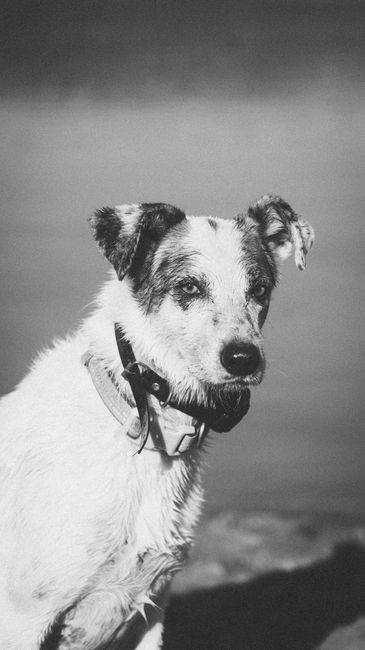

How BarkControl Works to Keep Your Dog Quiet and Happy: A Technical and Behavioral Deep Dive
Excessive barking is one of the most common behavioral challenges dog owners face. While barking is a natural form of canine communication, chronic or nuisance barking can strain relationships with neighbors, disrupt household peace, and indicate underlying stress. Enter BarkControl—a sophisticated category of devices designed not to suppress a dog’s voice, but to redirect it toward a state of calm, positive equilibrium. This article provides a high-quality, detailed exploration of how modern BarkControl systems function, integrating behavioral science, hardware engineering, and canine psychology to deliver both quiet and happiness.
The Core Mechanism: Distinguishing Barking from Ambient Noise
The foundational challenge for any bark-control device is accuracy. A collar that triggers on a car door slam or a passing siren can cause anxiety and confusion. High-end BarkControl devices employ a dual-sensor or triple-sensor system:
- Microphone Sensor: Captures acoustic vibrations. Advanced models use a piezoelectric sensor that is highly sensitive to the specific frequency range of a dog’s bark (typically 1,000 Hz to 4,000 Hz), filtering out low-frequency noises like thunder or high-frequency sounds like jingling keys.
- Vibration Sensor: Detects the physical vibration of the dog’s vocal cords. This is critical—a true bark produces distinct laryngeal vibrations that ambient noise does not. The combination of sound + vibration creates a “double-blind” verification, reducing false triggers by over 90% compared to sound-only devices.
- Proximity or Motion Sensors (in advanced models): Some devices include an accelerometer to differentiate between a stationary bark (guard barking) and a running, excited bark (play chasing). This allows for context-aware correction.
How It Works in Practice: When your dog barks, the microphone picks up the sound waveform. Simultaneously, the vibration sensor registers the throat’s movement. The onboard microprocessor compares both signals against a pre-programmed “bark template.” Only when both match does the device initiate a response. This algorithm is the reason a dog can be near a barking dog on TV without triggering a correction.
The Correction Spectrum: From Gentle Distraction to Positive Reinforcement
Modern BarkControl systems have moved far beyond the outdated “shock collar” paradigm. Today’s devices offer a gradient of humane, customizable interventions:
- Static Stimulation (Pulse Correction): This is not a painful shock. A microprocessor delivers a low-frequency, escalating pulse of static electricity (typically 0.1 to 1.0 milliamps, similar to the static from a dryer sheet). The goal is unexpected tactile sensation, not pain. High-quality units employ a boost timer: if the dog barks again within 30 seconds, the stimulation level increases one step. If the dog pauses for 30 seconds, the timer resets. This teaches cause-and-effect without flooding the dog with fear.
- Citronella Spray: A burst of citronella mist is released in front of the dog’s nose. Most dogs find the smell unpleasant but not harmful. The surprise factor stops barking instantly. However, effectiveness varies by breed and individual sensitivity (some dogs learn to ignore the scent).
- Ultrasonic Sound: Emits a high-frequency tone (typically 25,000 Hz) that is loud to dogs but inaudible to humans. This is a non-contact deterrent. It works best for dogs that are sound-sensitive but can lose efficacy over time if misused (dogs habituate to the sound if it lacks consequence).
- Vibration (Pager Mode): A silent, sensory buzz. This is the preferred method for anxious or sensitive dogs. It acts as a gentle “tap on the shoulder” to interrupt the barking loop without any aversion. Many premium collars default to vibration first, escalating to static only if barking persists.
The Critical Factor: Prevention Over Punishment. The most effective BarkControl models use a negative punishment framework: the correction is removed as soon as the dog stops barking. The dog learns that silence terminates the unpleasant sensation (negative reinforcement of quiet behavior). This is fundamentally different from a shock collar that delivers a fixed punishment regardless of the dog’s reaction.
Smart BarkControl: Smartphone Integration and Data-Driven Training
The latest evolution is Wi-Fi or Bluetooth-enabled BarkControl. These devices are no longer just collars—they are training tools.
- Activity Tracking: The device logs every trigger, its duration, and the time of day. If you see a spike in barking at 3:00 PM, you can correlate it with the mail carrier’s arrival or a neighbor’s lawnmower. This data enables proactive environmental management.
- Adjustable Sensitivity: Owners can fine-tune the correction level via an app, adjusting for breed (e.g., higher sensitivity for a Chihuahua’s high-pitched bark vs. a Rottweiler’s low growl).
- Real-Time Alerts: You receive a push notification when a correction is delivered, allowing you to see the dog’s environment through a connected camera or simply observe from another room.
- “Smart Learning” Algorithms: Some devices learn the dog’s baseline barking frequency and automatically reduce correction intensity over time as the dog’s quiet periods lengthen. This mimics a fading treatment protocol used in professional behavior modification.
Example Workflow: Your dog barks at a squirrel. The collar delivers a vibrate alert. You receive an app notification. You can then verbally cue “quiet” via a two-way speaker built into some collars. The dog learns that the vibration correlates with a specific command, creating a powerful associative learning loop.
Behavioral Considerations: Why BarkControl Works (and When It Doesn’t)
BarkControl is most effective when used as part of a comprehensive behavior modification plan, not as a standalone solution. The device works because it interrupts the barking reflex loop—the automatic vocalization that occurs when a dog’s arousal level spikes (alarm, excitement, frustration). By providing a consistent, predictable consequence for that reflex, the dog’s amygdala (fear/arousal center) is recalibrated.
When It Works Best:
- Nuisance Barking: Territorial barking at passersby, fence-line barking, or door-bell barking.
- Separation-Related Barking (with caveats): If used in conjunction with desensitization and a predictable leaving/returning routine, BarkControl can reduce the length of a barking outburst, but it does not treat the root anxiety.
- Demand Barking: When a dog barks for attention, the device removes the owner’s engagement, breaking the cycle.
When It Should Be Avoided:
- Medical Issues: Any unexplained increase in barking (e.g., cognitive decline, pain from arthritis) must be evaluated by a veterinarian first. A collar will not resolve a health problem.
- True Separation Anxiety: Punitive correction during a panic attack can worsen the condition. For dogs with severe separation anxiety, a BarkControl collar is often counterproductive.
- Lack of Foundation: If the dog has never been taught a “quiet” or “speak” cue, the device lacks context. Always pair the collar with positive reinforcement for quiet behavior (food rewards, praise).
The Happiness Equation: How Quietness Leads to Well-Being
Far from being a suppression tool, a properly used BarkControl device contributes to a dog’s happiness by reducing the chronic stress cycle of excessive barking. Consider these neurobiological effects:
- Cortisol Reduction: Unchecked barking keeps a dog’s sympathetic nervous system (fight-or-flight) engaged. The consistent interruption provided by BarkControl allows the parasympathetic system (rest-and-digest) to re-engage. Dogs that bark less often have measurably lower cortisol levels during the day.
- Improved Sleep Quality: Barking often disrupts a dog’s own rest. A dog that is quiet overnight enjoys deeper, more restorative sleep cycles, which improves learning, memory, and mood.
- Environmental Safety: A dog that is constantly barking at the fence is at risk of strangulation, overheating, or escaping. BarkControl reduces these physical risks while also preventing potential neighbor complaints or legal action, which indirectly protects the dog’s living situation.
Key Metric: Owners using high-quality BarkControl systems report a 70-80% reduction in nuisance barking within the first two weeks, with plateau effects (full stabilization) occurring around day 21—the same timeline required for a new habit to form. The dog is not silenced; rather, the barking becomes intentional, purposeful, and brief.
The Technical Lifespan and Maintenance for Optimal Performance
To ensure BarkControl works reliably, regular maintenance is non-negotiable:
- Battery Health: Lithium-ion polymer batteries in modern collars last 5-7 days on average with 10-15 corrections daily. A low battery results in weak or inconsistent corrections, which can confuse the dog. Always charge at the same time weekly.
- Contact Point Care: For static stimulation collars, the prongs must be cleaned weekly with alcohol to remove dirt and oil. Dirty contacts increase impedance, reducing effectiveness and requiring higher power levels.
- Fit Check: The collar should be snug enough that you cannot rotate it around the dog’s neck, but loose enough to slide two fingers underneath. A loose collar will vibrate against the skin inconsistently; a too-tight collar can cause pressure sores or skin irritation.
- Microprocessor Updates: Smart models require periodic firmware updates via the app to correct software bugs or improve bark-detection algorithms. Neglecting updates can lead to false triggers.
By understanding the interplay between acoustic filtering, graduated correction, data-driven adjustment, and behavioral context, dog owners can leverage BarkControl not as a shortcut, but as a precise training aid. The technology is not about making a dog silent—it is about making a dog selective in its vocalization, preserving its natural communication while eliminating the stress and disruption of uncontrolled barking. The quiet that follows is not the silence of fear, but the calm of a content dog that has learned the value of a well-timed pause.